Home · Built for · Consumer brands
Stores that ship, and a brand worth remembering.
A product brand has two jobs the local businesses do not: it has to be worth feeling something about, and every dollar has to be traceable to an order.
Direct-to-consumer is a harder problem than local service work. There is no map pack to win and no geography protecting you — you are competing with everyone who ships, which means the brand has to carry weight and the store has to convert cold traffic that has never heard of you.
The other half is wholesale. Most specialty food and drink brands make more from cases than from single bags, and the site is usually built as though only retail exists. A wholesale path that quotes automatically turns a phone call into an order.
This is well-worn ground for us — coffee brands, a headless Shopify build for an artist, retail credibility surfaced up front. The cases below are live.
How it is done
04A store built to convert cold traffic
Product pages that answer the objection before it is raised, a checkout with nothing decorative in the way, and shipping expectations stated where people look for them rather than discovered at the last step.
Wholesale that quotes itself
Bulk pricing that applies automatically at the break, so a buyer ordering ten cases sees the case price without emailing anyone. It converts a sales conversation into a transaction and it works while you sleep.
Retail credibility up front
If the product is on shelves at real retailers, that belongs on the first screen. It is the fastest trust signal a new brand has, and most brands bury it.
Shopping, Meta and the margin
Product feeds kept clean, Shopping campaigns weighted by margin rather than treating every SKU alike, and Meta prospecting and retargeting reported as return on ad spend by campaign and by product.
What a brand gets
7 items- A custom store, not a theme with the colours changed
- Wholesale and bulk pricing that quotes automatically
- Product feed management for Shopping
- Meta prospecting and retargeting
- Revenue and return on ad spend by campaign and product
- Email capture, double opt-in and a newsletter on your own domain
- A login to publish, and the repository in your name
Live work
Open any of themEvery site below is live and reads under the same site check as yours. Nothing here is a mockup.
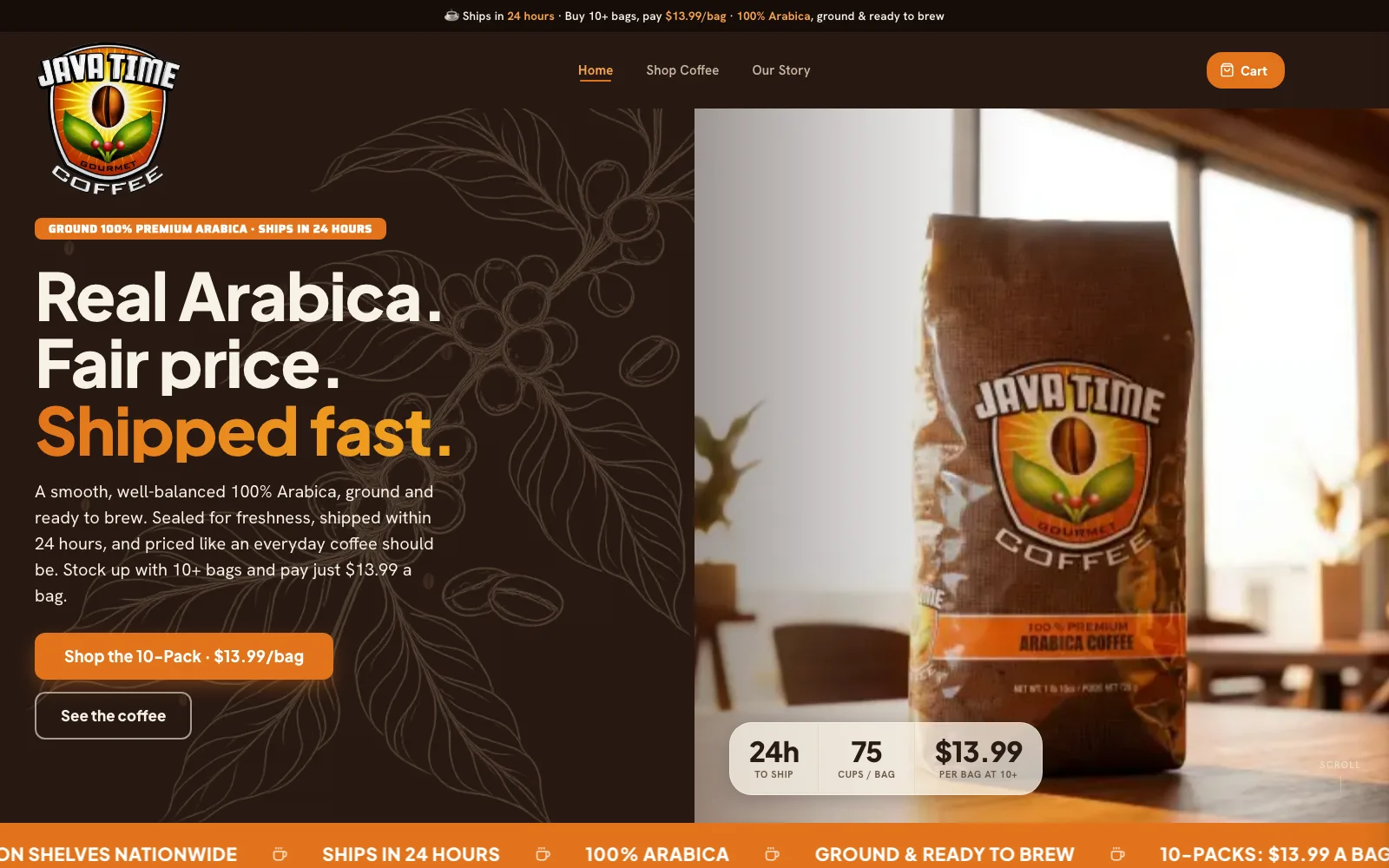
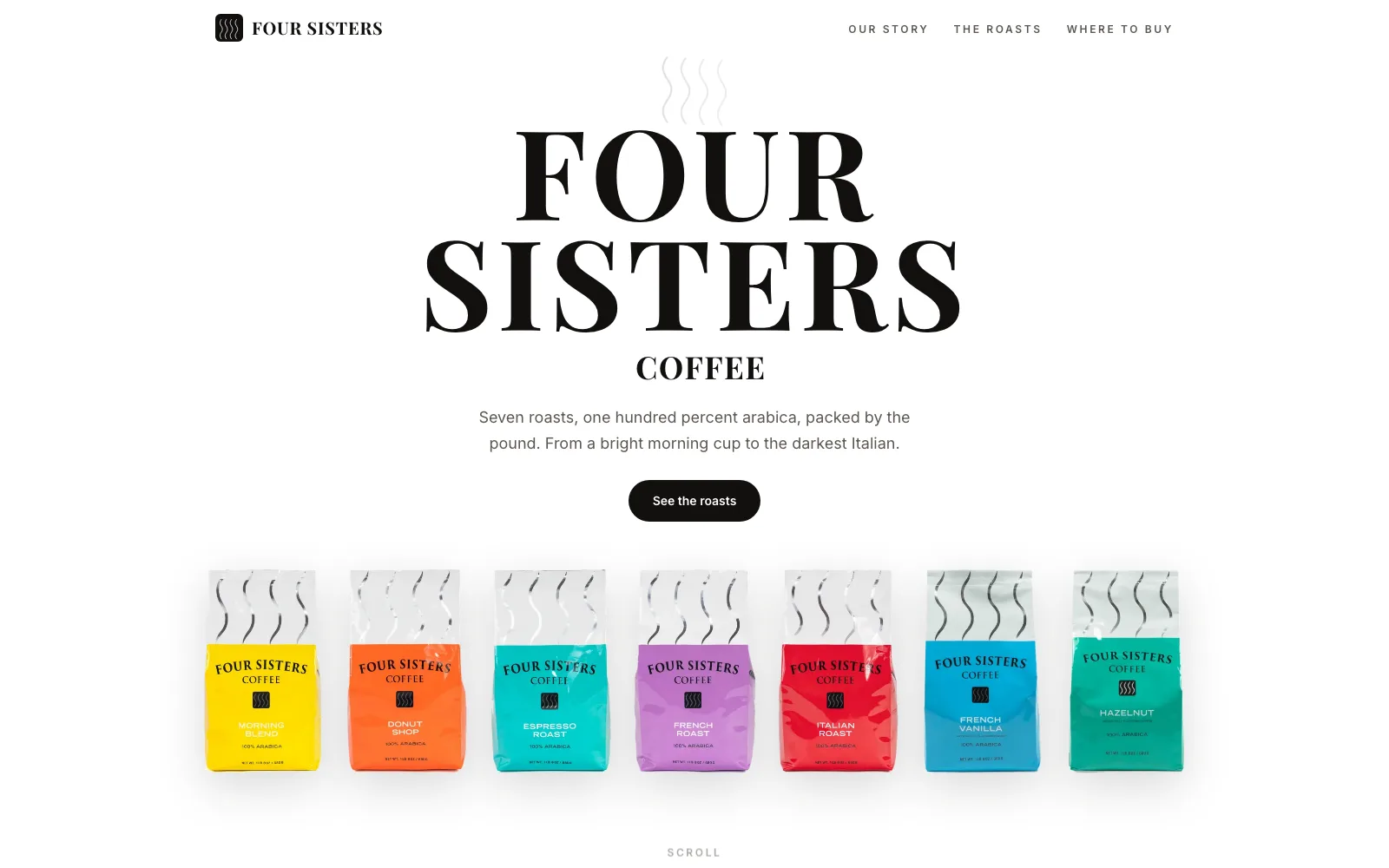
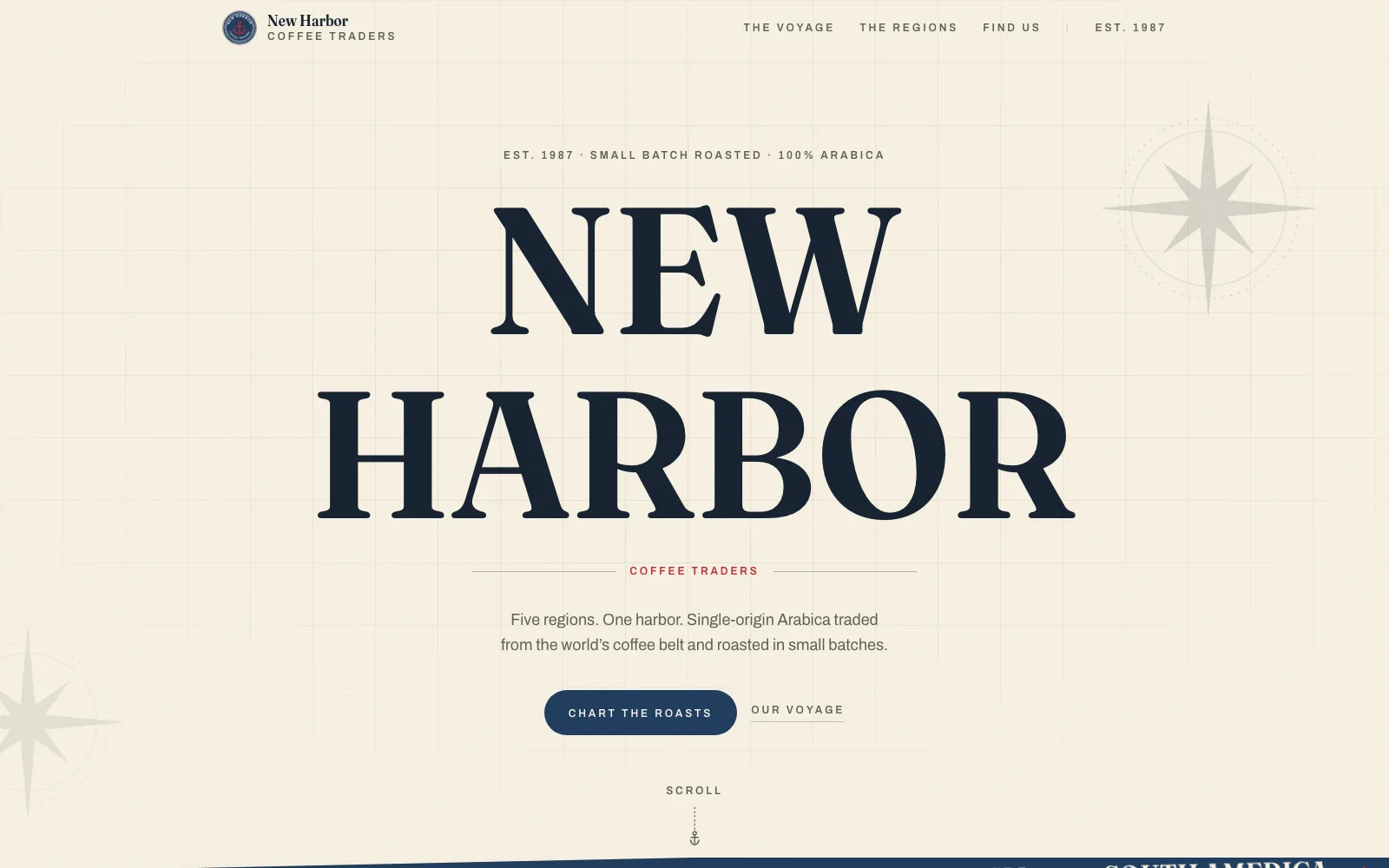
Questions
Shopify, or something custom?+
Whichever suits the business. Headless Shopify keeps the checkout and payments you already trust while giving the storefront a design nobody else has. A brand with simpler needs may be better served by a plain custom build.
Do you do the email as well?+
Capture, double opt-in, unsubscribe and sending run on your own domain rather than a monthly subscription to a third party. Campaign strategy is part of the retainer where it is worth doing.
We sell wholesale and retail. Can one site do both?+
Yes, and it should. The two audiences want different things from the same catalogue, and separating them into two paths through one site is usually better than running two sites.
Next
Tell us about the business.
We come back with a first look at what your site could be and a fixed quote. No deck, no discovery fee.