Home · Position · Ownership
Stop paying us and your site stays up.
That sentence is not true of most agencies. Whether it is true of yours is the single most valuable thing you can find out this week.
A surprising number of business owners do not own the website they paid for. They discover it years later, usually at the worst possible moment: they want to change agencies, or money is tight and they need to pause, or the person who built it stopped answering emails. That is when they learn the site was rented rather than bought, and that stopping payment means the site is switched off.
This is not a fringe practice. Whole categories of vendor are built on it — a low monthly fee, no contract, hosting included, and the quiet fact that the code, the platform and sometimes the domain never leave the agency. The pitch is genuinely attractive and the terms are usually disclosed somewhere. They are just not the part anyone reads.
We sell the opposite, and we would rather you interrogate the claim than take it on trust. So here is what ownership has to include to mean anything, and the questions that will get you a straight answer from anyone — including us.
What ownership has to include
04It does not go dark when you stop paying
This is the test that matters. A rented site is switched off on a billing date: your storefront, your hours, your booking form and often your business email, gone from the internet in the same week cash was tight enough that you cancelled. A site you own keeps serving. You can move it to any host in an afternoon, or leave it exactly where it is and pay the hosting yourself for a few dollars a month.
Any developer can pick it up
Ownership of code nobody else can maintain is a certificate, not an asset. If the site is built on a proprietary platform, "you own your content" means you can export some text. What makes ownership real is a standard stack — in our case React and Next.js, which millions of developers can read, quote on and carry forward. You are never waiting on one company to be available, solvent or interested.
Your search history moves with you
This is the expensive part nobody mentions at signup. Rebuilding from scratch on a new vendor throws away rankings, indexed URLs and the links that took years to earn, and it can take the better part of a year to climb back. Owning the codebase turns leaving into a migration with redirects intact, rather than a restart. For a business that has been ranking for a decade, that difference is worth more than every monthly fee combined.
The exit is written down before you need it
Common terms ask for twelve months of fees plus a release charge to hand over something you already paid to build. Others simply go quiet, or delay the transfer until you give up. An ownership promise that only holds while both sides are happy is not a promise. Ours is a checklist: repository transferred, DNS handed over, environment variables documented, every third-party service named, and the last deploy verified live under your control.
Questions to ask any agency, including us
8 items- If I stop paying you tomorrow, does my website keep working?
- Who is the registrant on the domain — my business, or yours?
- Is the source code in a repository I can be given access to today?
- What does it cost to leave, and is that figure written in the agreement?
- Is it built on a platform only you can operate?
- Can I take the analytics and tracking history with me?
- If your company closed next month, what would I be left holding?
- Will you put the answers to all of the above in writing?
Live work
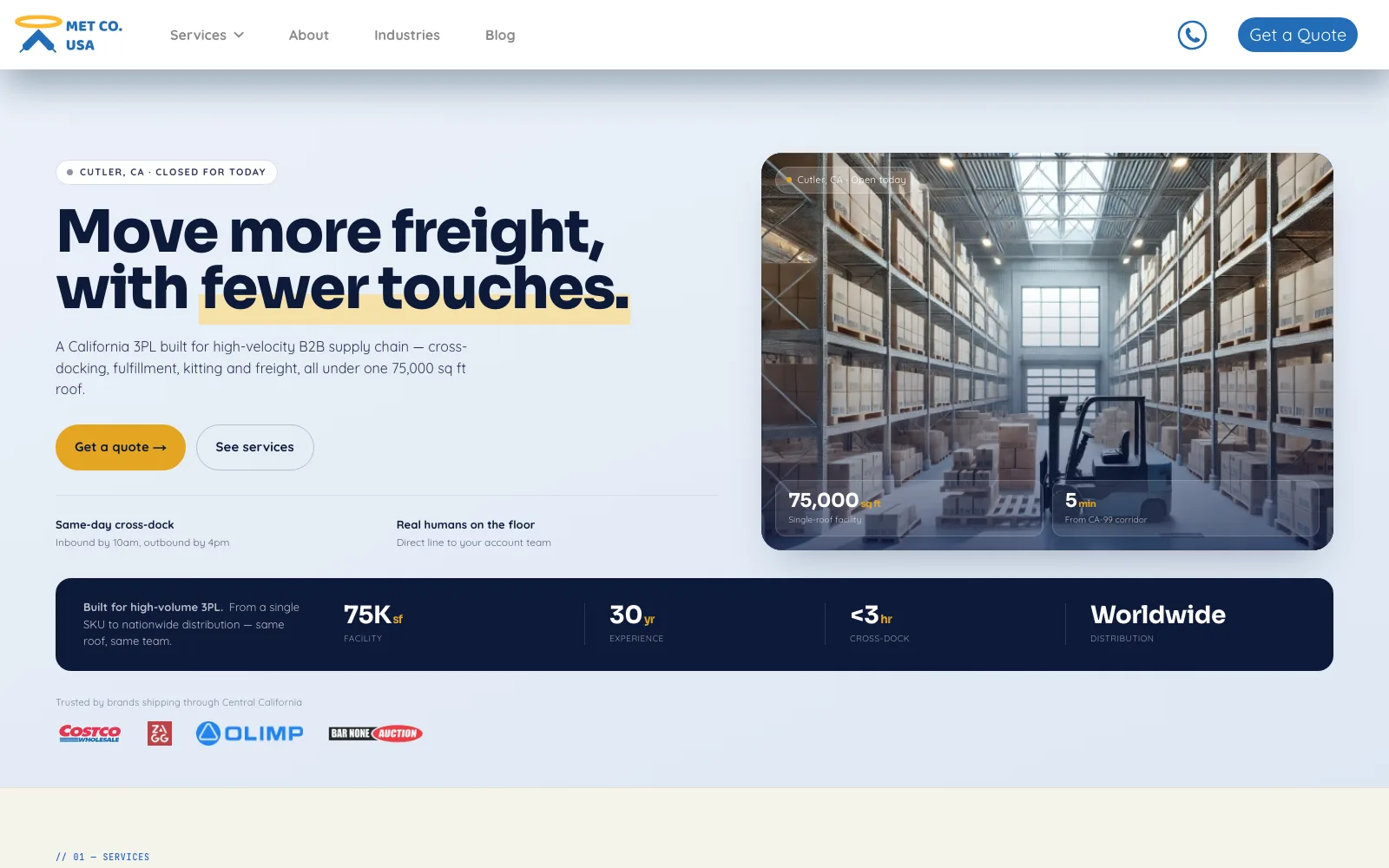
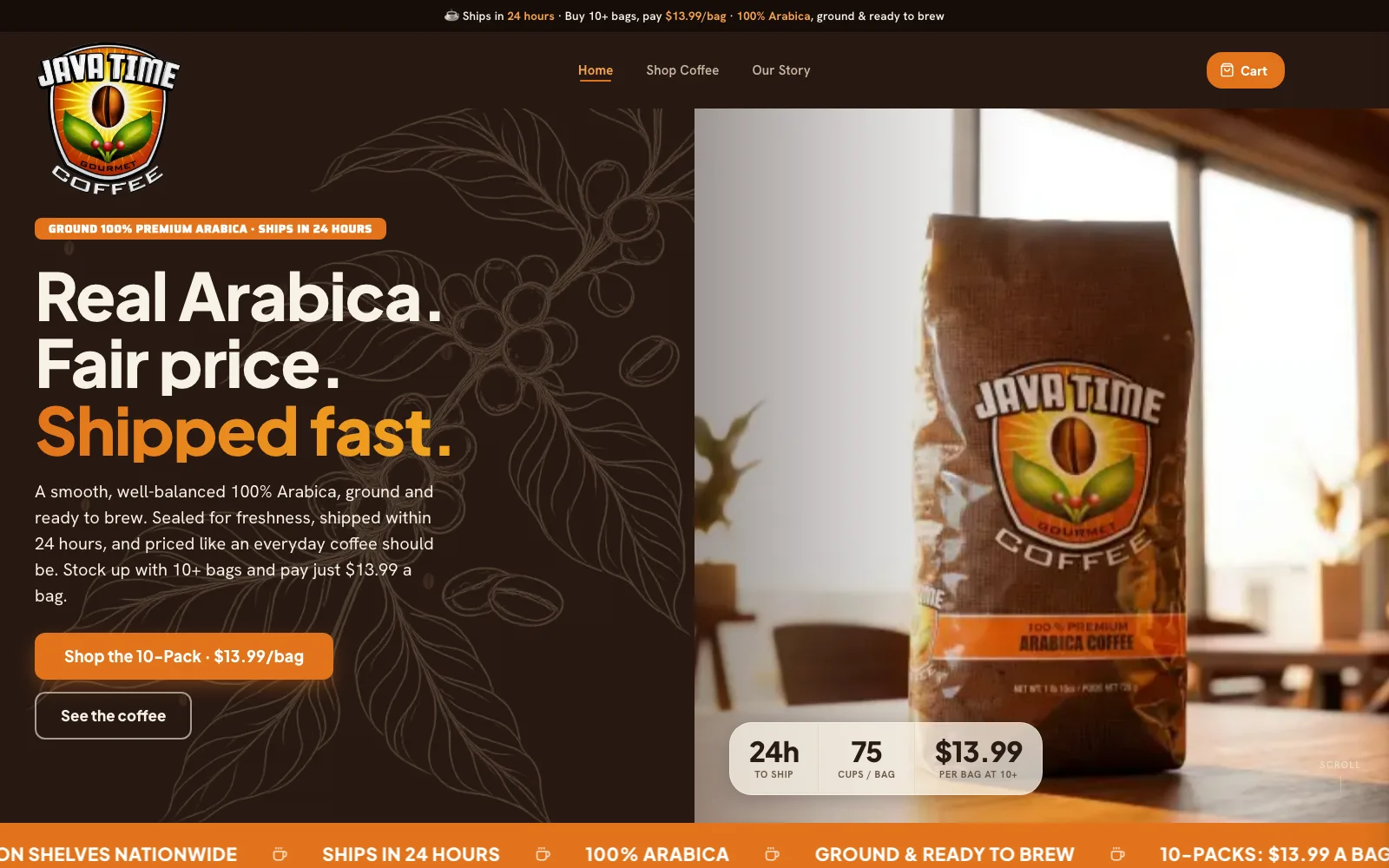
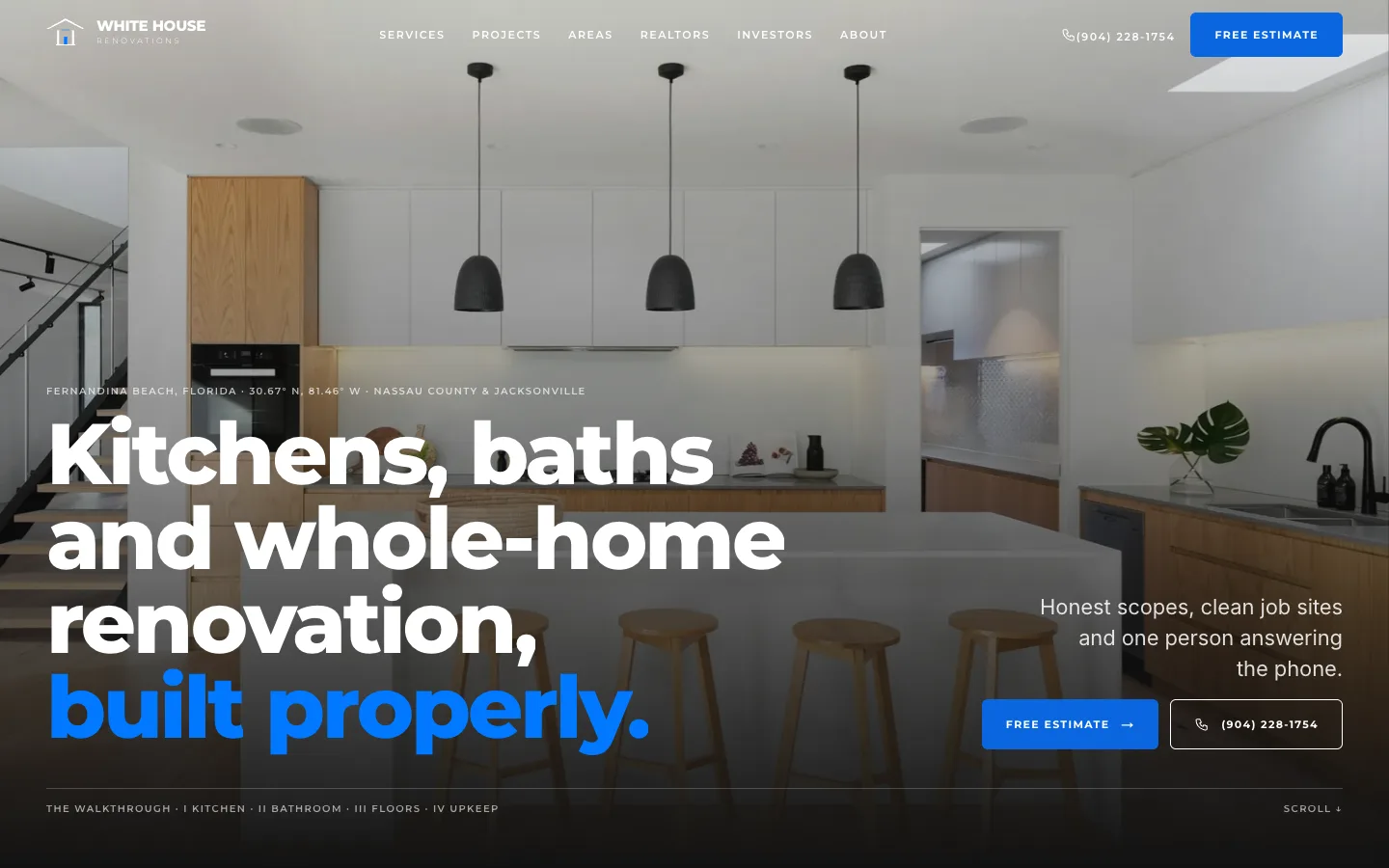
Open any of themEvery site below is live and reads under the same site check as yours. Nothing here is a mockup.
Questions
How do I find out whether I own my current site?+
Ask for access to the repository and for the domain registrant details, in writing. A vendor who owns your site will hedge, offer a buyout figure, or explain why access is not possible. A vendor who does not will simply add you.
Is renting a website always a bad deal?+
No. If you genuinely never intend to move, a low monthly with hosting and support included can be reasonable value, and some of those vendors do decent work. It becomes a bad deal the moment you want to leave, and the cost lands entirely in that moment rather than being spread over the years you were happy.
You offer a no-money-down option. Do I own that one?+
Eventually, and that is the point. Rent to own has no build fee — the monthly covers the build, the hosting and the upkeep, and the repository transfers to you at month twenty-four. Leave before then and you simply stop paying; there is no buyout and no penalty. What we do not sell is the version where you pay forever and it never becomes yours.
What exactly transfers when I leave?+
The repository, the domain, the analytics and tracking history, any accounts we created on your behalf, and a written note of every third-party service the build depends on and what each one needs. Then we remove you from monitoring. No hostage-taking; the promise is only worth something if it survives an unhappy ending.
I am mid-contract with someone else. Is it worth talking now?+
Yes. Run the site check on your current site — it is yours to keep and take to them. Knowing what you own is useful whether or not you ever move, and if you do decide to, the work is easier to plan before the renewal date rather than after it.
Next
Tell us about the business.
We come back with a first look at what your site could be and a fixed quote. No deck, no discovery fee.