Home · Capability · Platform
Some of it needs a server.
Most marketing sites do not, and pretending otherwise is how agencies sell infrastructure nobody needed. But when a project genuinely needs a database, a login and work happening on a schedule, that is a different discipline — and it is worth showing the one we run ourselves.
A portfolio of front ends tells you somebody can design. It does not tell you whether they can build a system that stays up, keeps two clients’ data apart, sends mail without landing in spam, and does work at three in the morning without anyone pressing a button. Those are different skills and the second one is much harder to fake.
So rather than describe hypothetical capability, here is the platform this studio runs on. It is not a product for sale and it is not a case study we were paid for. It is the machinery behind the retainer: the thing that lets a client log in on their own domain, publish a post that goes live by itself, and see who visited without handing their visitors to a third party.
It is also the honest answer to a fair question. If every site in the portfolio is a fast static build, can this studio do more than that? This is the more than that.
What is actually running
06Multi-tenant, and provably so
Accounts carry a role and a site scope, so a client account can only ever read its own rows — verified, not assumed. Passwords are hashed with argon2, sign-in is throttled per email and per IP, password reset and invitation both run as one-time links, and the owner account can only be reset from the command line. Clients log in on their own domain through a CORS allowlist rather than being sent to a generic agency portal.
Publishing that writes to production
A client writes a post in an editor, presses publish, and the platform commits it, triggers a rebuild and the page is live — no ticket, no developer, no waiting until Thursday. This runs end to end today and has been verified on a live client site. What it does not yet have is a client who has written a real one, which is a different problem and not an engineering one.
Analytics we own end to end
A first-party beacon and our own visitor tables, rather than a third-party tag that ad blockers refuse and privacy settings drop. It means the numbers are more complete, the data belongs to the site it was collected on, and a client can genuinely take their history with them. It also means we are the ones responsible for disclosing it, which is why every site carries a privacy notice naming its operator before a tag goes on.
Work that happens without anyone asking
The fleet is probed on a schedule: DNS, certificates, headers and rendered HTML read from outside the site, so the technical record cannot quietly go stale. That produces uptime history and a tech sheet per site that was detected rather than typed. The same machinery points at any URL, which is how a prospect’s site gets read before a first call.
Mail that is actually deliverable
Subscriber capture with double opt-in, unsubscribe handling and list sending, delivered through a verified sender. The unglamorous part is DNS: DKIM at the registrar, an SPF record that matches where the site actually resolves, and DMARC. A newsletter sent from a domain with a stale SPF record is a newsletter going to spam, and that is usually the whole problem.
Infrastructure chosen per build, not by habit
Most sites are Next.js on Vercel with Cloudflare in front, because for a marketing site that is genuinely the right answer and paying for more would be theatre. When a project outgrows it — long-running processes, sockets at scale, heavy background work, a database we control, a runtime that is not JavaScript — the ladder is deliberate: a managed platform such as Railway, Fly or Render first, a plain box on Hetzner or DigitalOcean when cost or control demands it, and AWS when the client’s own stack or compliance requires it. We do not build cloud automation ahead of a client who needs it, because that is a large investment against demand that does not exist yet.
What runs in production today
10 items- Postgres, with the site registry, check history and account tables
- Argon2 password hashing, throttled sign-in, reset and invite flows
- Role and site scoping, so a client account reads only its own rows
- Client sign-in on the client’s own domain, through a CORS allowlist
- A post editor that commits, rebuilds and publishes without a developer
- Subscriber capture, double opt-in, unsubscribe and list sending
- A first-party visitor beacon and its own ingest endpoint
- Scheduled fleet probing with uptime history and detected tech sheets
- A site checker that reads any URL in a real browser, prospects included
- Time logging, cost allocation and per-site margin
Live work
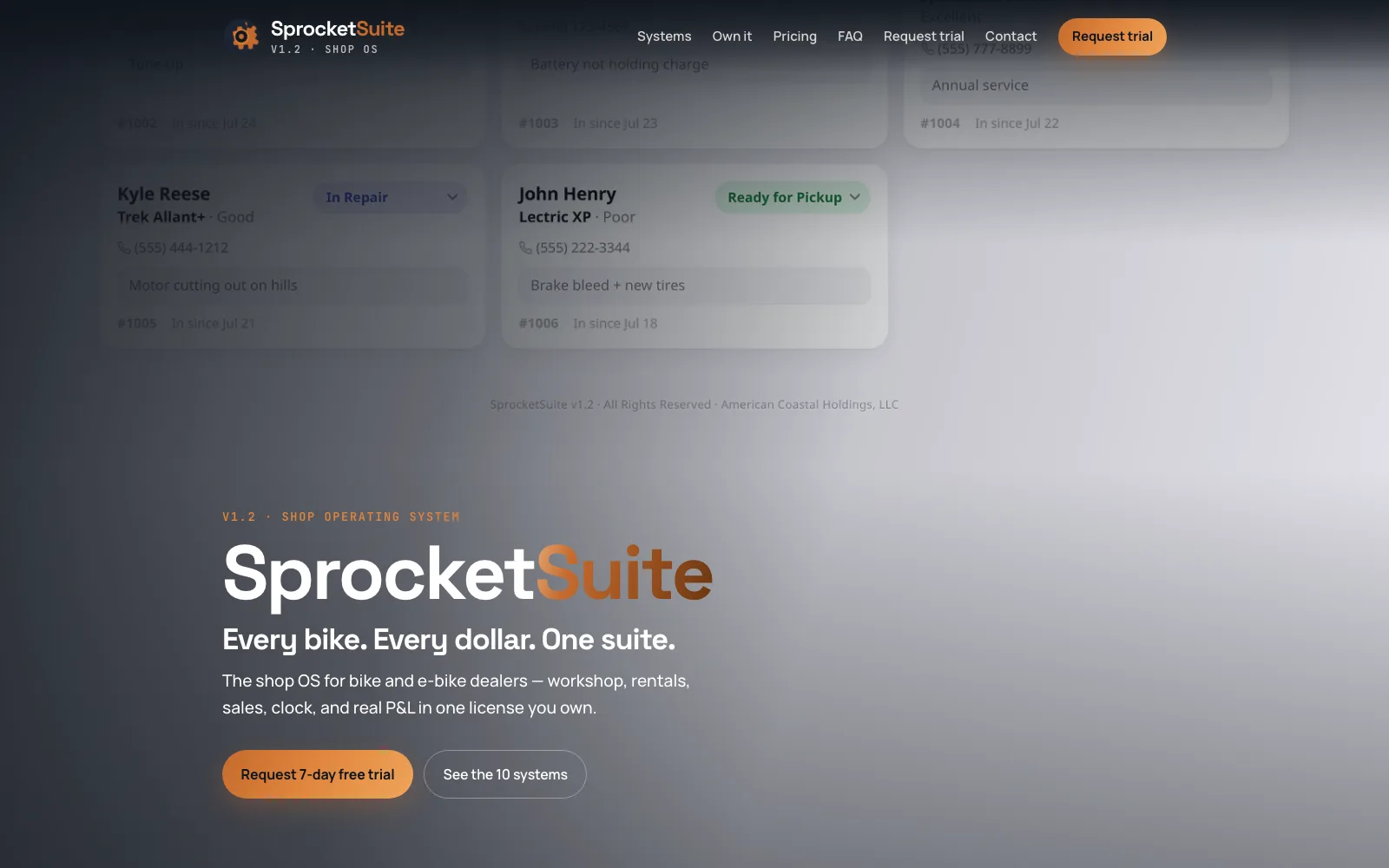
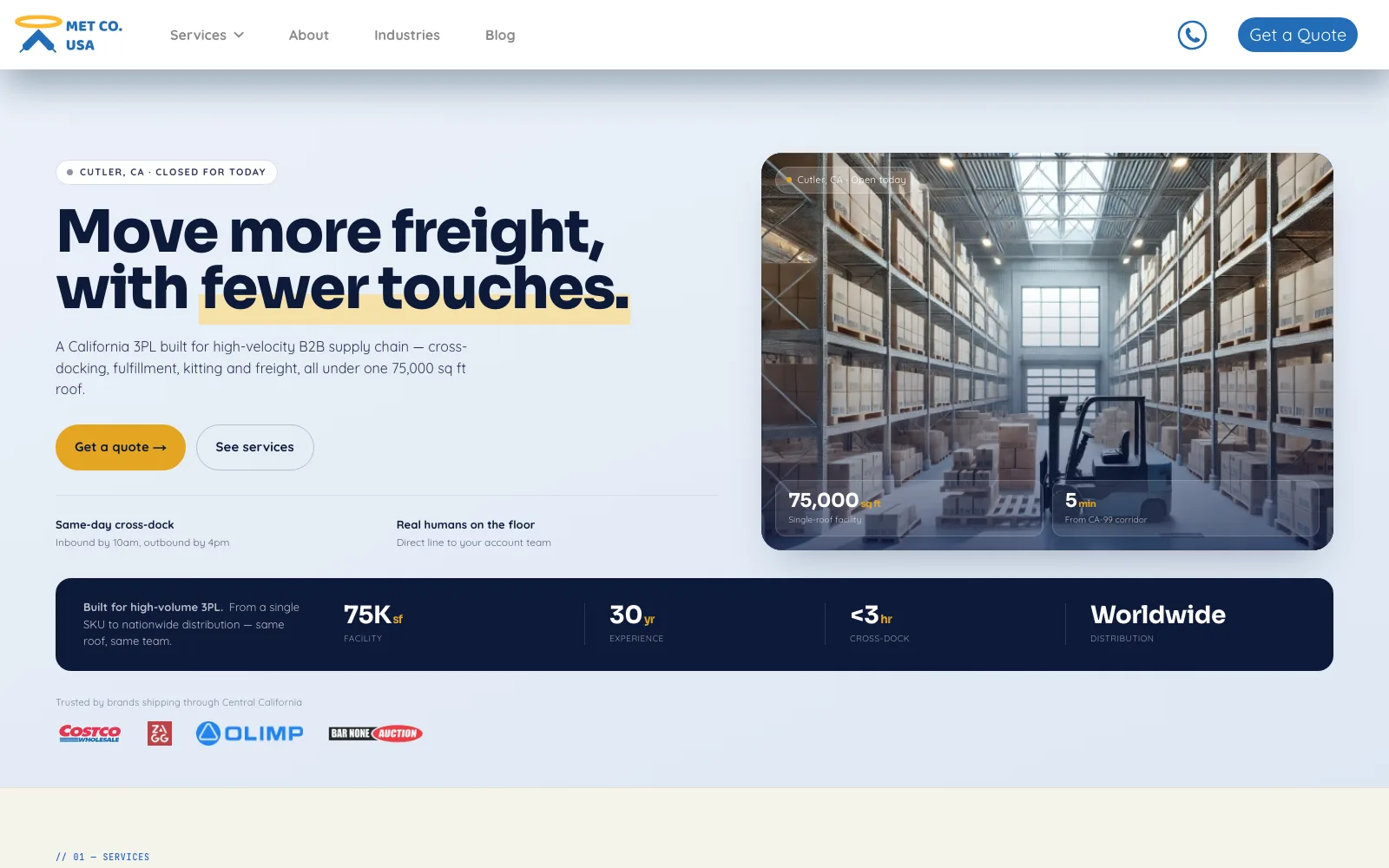
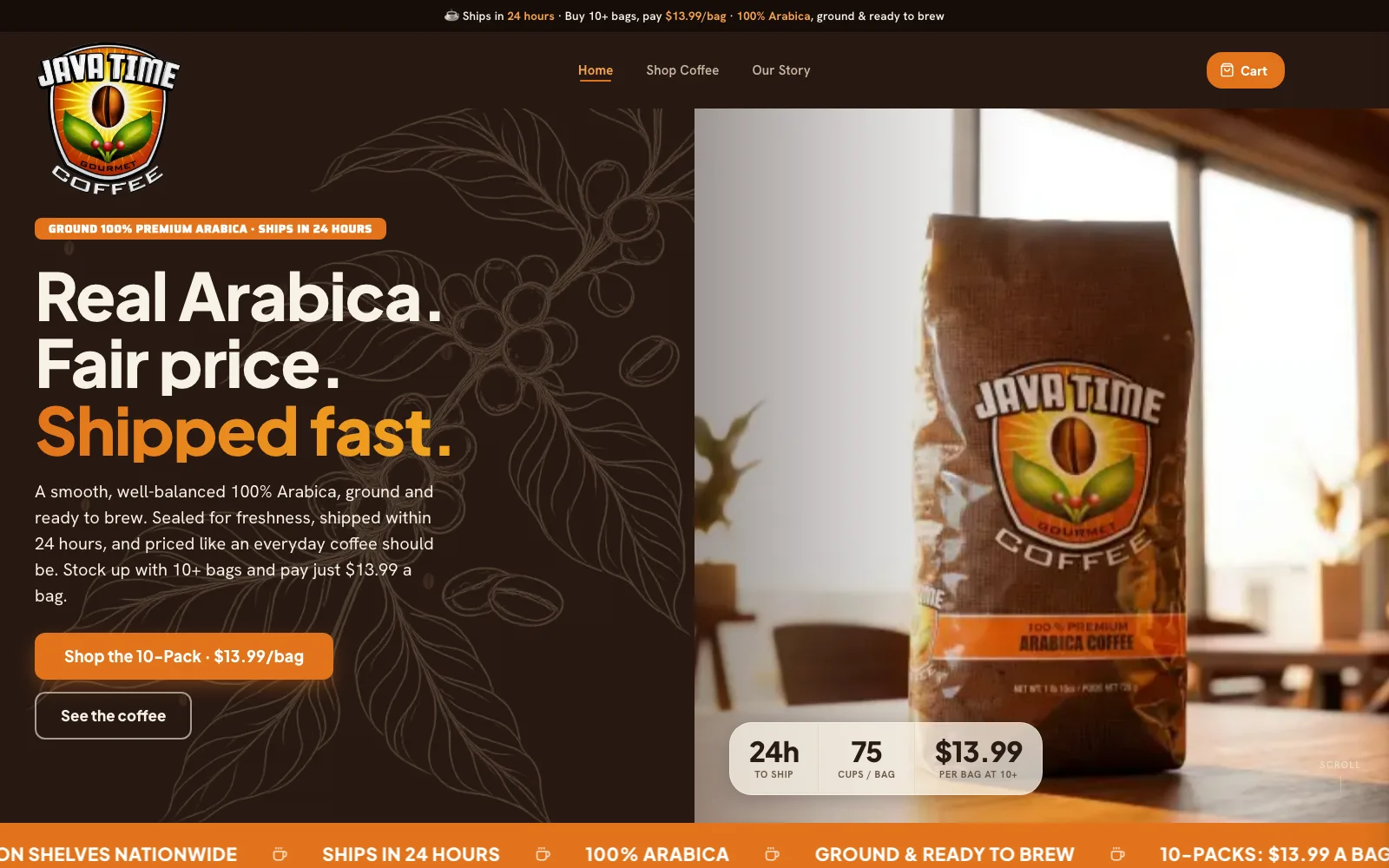
Open any of themEvery site below is live and reads under the same site check as yours. Nothing here is a mockup.
Questions
Is this a product I can buy?+
No. It is the machinery behind the retainer, not software we license. Clients get a login to the parts that concern them — their site, their posts, their subscribers, their visitors — and never see the parts that operate the fleet.
Do I have to use it?+
No. A fixed-scope build handed over on acceptance is one of the shapes we work in: the repository goes to your account, we document every service it depends on, and we are done. Nothing obliges you to keep us in the loop afterwards.
Can you build an application rather than a website?+
Yes, and this is one. Authentication, a database, scoped multi-tenancy, background jobs, transactional and bulk mail, and a publishing pipeline are all running here rather than being described in a proposal.
What if we need AWS specifically?+
Then that is what it gets built on. What we will not do is put a simple marketing site on a VPC you have to pay someone to understand. The reach for AWS should come from your stack or your compliance requirements, not from an agency wanting the work to look impressive.
Who holds the credentials?+
A control plane means the studio holds tokens that can reach client properties, and that is one blast radius worth naming out loud. They live in the studio environment only, at the narrowest scopes that work, rotatable, never copied into a client repository, and never shown in the portal. A client sees what their site runs on, never the key that operates it.
Next
Tell us about the business.
We come back with a first look at what your site could be and a fixed quote. No deck, no discovery fee.